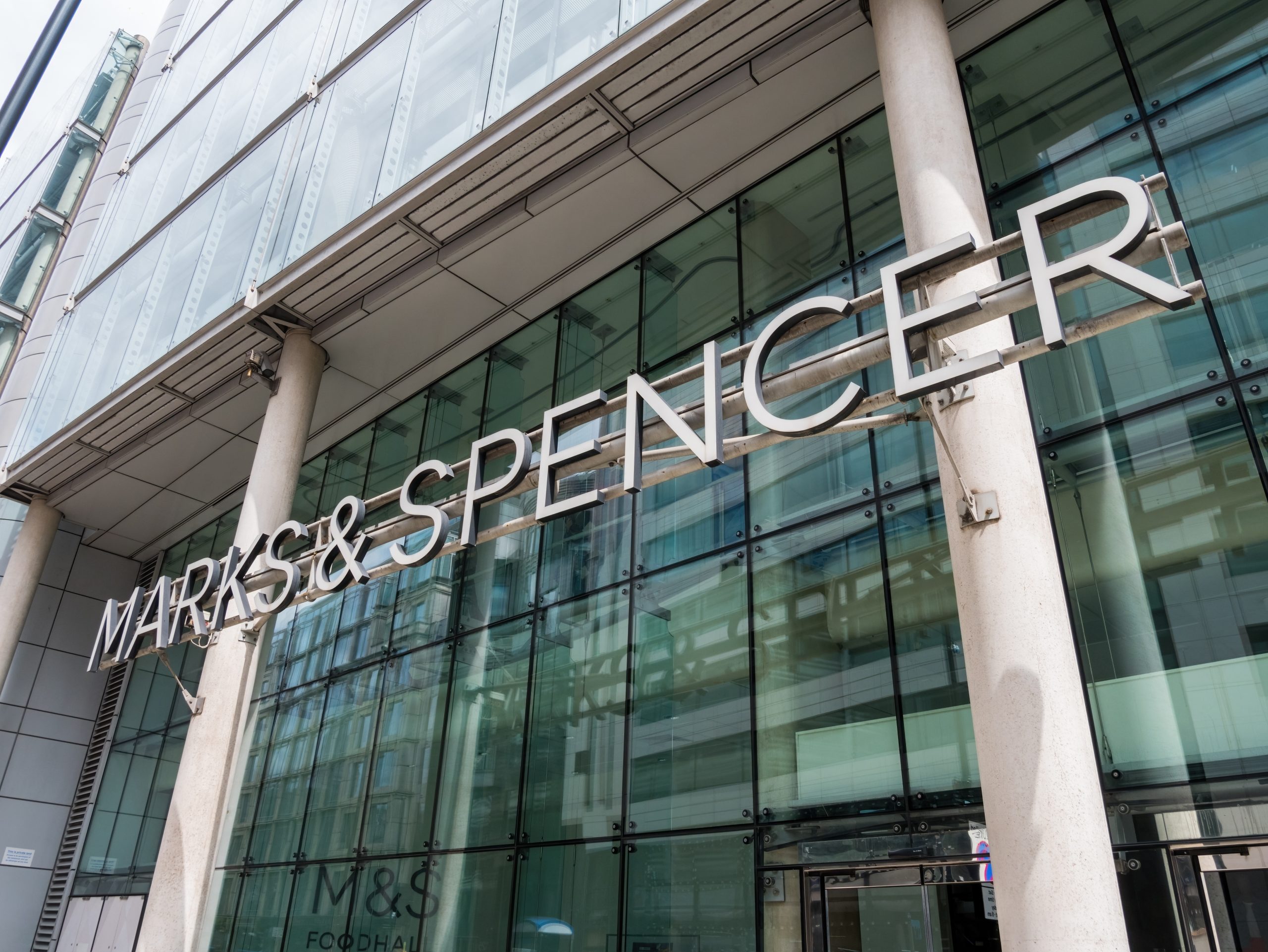
(this article is reproduced from edie.net)
M&S has this week confirmed plans to grow its existing fleet of low-emission heavy goods vehicles (HGVs), bringing its total number of bio-compressed natural gas (bio-CNG) trucks up to more than 300 by the end of March 2027.
Bio-CNG is seen as a cost-effective and sustainable fuel option for businesses. It is made from domestic waste feedstocks like food waste and farming by-products. M&S already has over 210 bio-CNG trucks in its fleet.
The new vehicles will generate up to 85% fewer CO2 emissions than diesel engine alternatives, the retailer claims, supporting lower-carbon logistics across M&S Food, M&S Fashion and the retailer’s home and beauty operations.
Decarbonising fleets is central to M&S’s Plan A commitment and goal of becoming a net-zero emission business across its entire value chain by 2040.
“Moving to lower-carbon logistics with reduced dependency on diesel and the increased use of new technologies and lower carbon fuels is key to achieving our Plan A Net Zero ambitions,” explained Julian Bailey, the transport director at M&S.
“We trialled a range of technologies and have chosen Bio-CNG as a key solution for decarbonising our logistics fleet as it is a proven, flexible and cost-efficient fuel supported by mature infrastructure.”