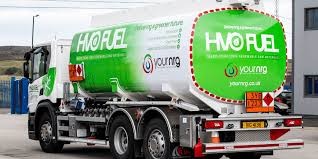
HVO, or Hydrotreated Vegetable Oil, is an advanced form of Bio-diesel. That is, a renewable low carbon liquid fuel that is a direct replacement for mineral diesel in vehicle and static engines. HVO can be made using waste cooking oil, animal fats, or virgin vegetable oil. The benefit of using HVO is significantly reduced CO2 emissions (around 87%) compared to mineral diesel. Aside from emissions associated with processing and transportation, it is nearly carbon neutral, being crop based.
Recently there has been some concern with using HVO however, linked to the use of virgin crops in its production, those crops being implicated in deforestation, particularly in the tropics.
We feel that this concern is justified – clearing a high quality carbon sink and habit to make way for a monoculture is clearly damaging and counter to the wider sustainability agenda.
However, it doesn’t have to be this way, and there are simple steps the UK businesses can be assured that their HVO does not comprise such virgin crop oil.
- The first step is to ensure that your HVO supplier is signed up to a recognized scheme that ensures the highest possible sustainability standards, such as the Renewable Fuels Assurance Scheme https://www.zemo.org.uk/work-with-us/fuels/the-renewable-fuels-assurance-scheme.htm This web lists all suppliers accredited by the scheme.
- The second step is to request from the accredited supplier their Renewable Fuel Declaration. This is a certificate which presents key information relating to where the material was refined (processed), the countries of origin of the raw material, and the calculated carbon savings of the HVO.
Conclusion
HVO is not the perfect solution to decarbonizing a vehicle fleet. There is a limit to the availability of used cooking oil, it is a global fuel, just like mineral diesel, and there is a small price premium over mineral diesel. The carbon savings though are credible so for any business fleet operator looking to decarbonize, it has at least to be considered.
Our mantra at CTBG is to never let perfect be the enemy of good.