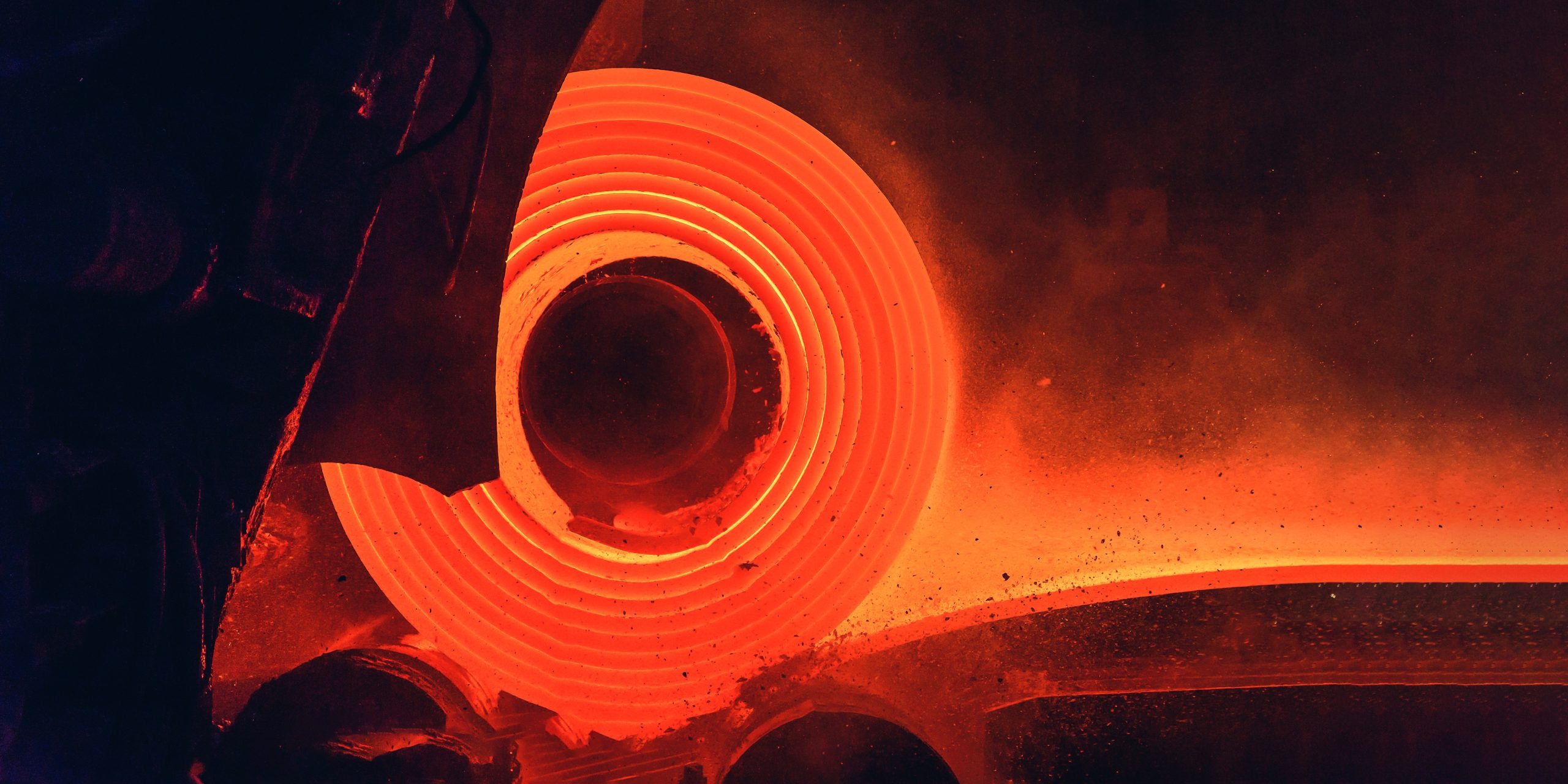
Metals have a high carbon footprint. From the energy used in mining, moving and processing the ore, to the energy used in processing it into a finished base material – billet, coil, roll, wire or bar.
Not all metals are created equal though, and even within metals types, there are variations in carbon impact.
A recent article published by Reuters showcases a number of aluminium and copper manufacturers who have taken action to reduce the carbon footprint of their products.
Strategies for decarbonising these materials rely largely on increasing the recycled content, and using renewable energy to power the process. There are however developments in energy saving inert anode smelting technology
Copper.
The global benchmark figure for copper is 3.97 tonnes CO2e per tonne of product, includes Scopes 1,2 and 3.
- Montanwerk Brixlegge (Austria) – Uses recycled raw materials and renewable energy for copper with a CO2 footprint of 0.63 tons.
- Boliden (Sweden) Sourced from its own mines and also using recycled materials, contains 1.5 tons of CO2. (Scope 1,2,3)
Aluminium
Extracting aluminium from its ore uses vast amounts of energy, resulting in a global benchmark emissions figure of 14.8 tonnes CO2e per tonne.
- Hydro Circal – Made with recycled metal, one product with a minimum of 75% scrap and about 1.9 tons of CO2, and the other from 100% recycled metal with less than 0.5 tons of CO2. (Scope 1,2,3)
- CelestiAL (UAE) – Produced with solar power with 5 tons of CO2 and CELESTIALR with recycled metal at 4 tons of CO2. (Scope 1,2,3)
Steel
The most commonly used metal, steel is also decarbonising through the increased use of recycled material, electric arc furnaces and to a lesser extent the use of ‘green’ hydrogen in ore processing.
- Liberty Steel (UK): Uses EAF technology and scrap metal recycling to forge lower-carbon engineered steels and alloys, working toward carbon-neutral goals.
- Stegra (Sweden): Building a massive, circular plant in Boden using green hydrogen to replace coal, aiming for 5 million tonnes of near-zero emission steel annually by 2030.
- SSAB (Sweden): Pioneering fossil-free steel through its SSAB Zero and HYBRIT initiatives, using recycled steel, green electricity, and biocoal to cut emissions by up to 77% or more.
- ArcelorMittal (France / Europe): Investing heavily in decarbonization, including a €1.3 billion electric arc furnace project at its Dunkirk plant in France to reach 2 million tonnes of capacity.
- Thyssenkrupp Steel (Germany): Transitioning its Duisburg site from coal blast furnaces to hydrogen-compatible direct reduction plants.
What does this mean for me?
The key take-away for the user of these metals is that they have a choice when it comes to sourcing low carbon metals. Making those choices will require analysis and comparison of the associated Lifecycle Carbon Analyses or Environmental Product Declarations provided by the suppliers.