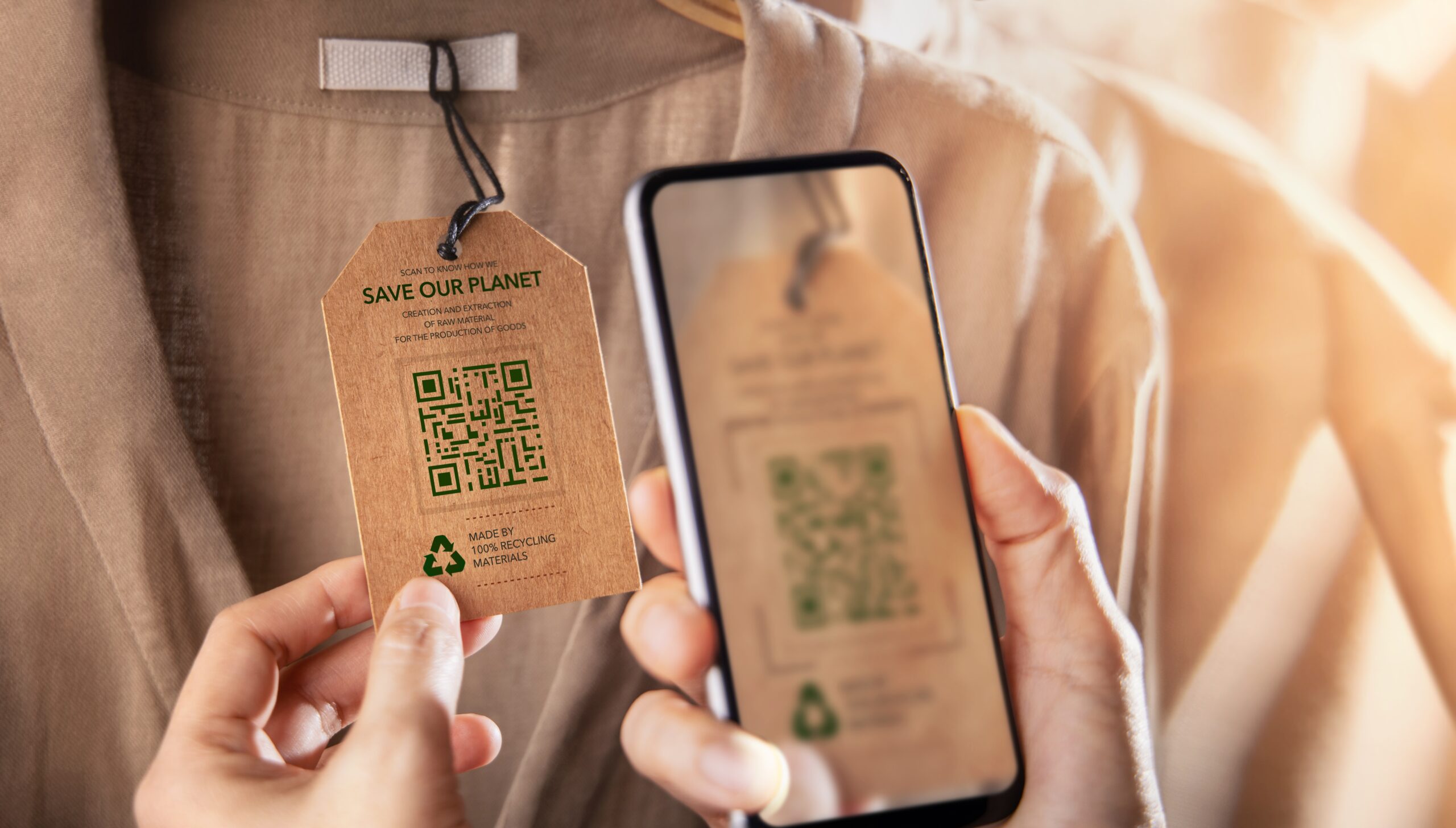
Market demand for sustainable products and services, in the UK, is valued in the £ billions, much of the demand driven by Millennials and Gen Z.
Why are so many businesses failing to win a share of that market though?
A greater understanding of environmental issues and greater access to information has led to skepticism of many sustainability claims. In many cases, quite justifiably (see our previous article about ‘biodegradable plastic). That is what ‘Greenwashing’ is – making exaggerated or inaccurate claims about the sustainability of a product or service.
So how can businesses win trust in this market?
Actually taking meaningful action is the first obvious step. Cutting energy use, addressing packaging, pivoting the product, responsible sourcing, reducing waste. These actions should not be taken in isolation, but as part of a wider awareness and quantification of the business’s overall environmental impact and its plan to reduce those impacts.
The second step is to collect and analyse data. How much energy has been saved, what was the environmental impact before and after? Most actions are quantifiable in terms of benefits, and it makes sense to use tonnes of carbon as a common metric. This is the evidence.
Communication is the third step. You have the story, you have the quantified and qualified evidence so your sustainability claims stand scrutiny and can be robustly and confidently communicated. You’ll also communicate your plans for the future and your progress against targets. That’s how consumers will build a relationship with your company – those that care will want to be a part of your journey.
All of the above is our bread-and-butter – from making and implementing an action plan, analysing data and communications. Contact us for support info@cleantechbusinessgroup.co.uk